Vice President, R&D, Biologics
Catalent Biologics


Michaela Bowden joined Bristol Myers Squibb in early 2018 as director of translational biology. Michaela and her growing team work in the Cambridge, Mass., labs trying to understand the biological reasons that some people do not respond, or stop responding, to immuno-oncology (I-O) therapies. As part of the site’s Translational Medicine organization, Michaela and her team work closely with the I-O Discovery team, with the goal of ultimately turning what they learn about cancer biology into the development of assets that may potentially help patients overcome I-O treatment resistance.
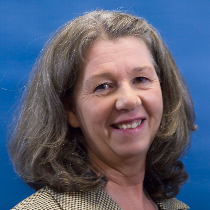
Mary Ann Brown joined Cambridge Healthtech Institute (CHI) in 1992 as a Data Entry Associate. At that time CHI was a start-up company with many roles to fill and explore. She quickly realized that conference production which combined creativity and love of learning was the path for her. Mary Ann’s conference portfolio is varied from biologics to batteries where she is organizes over 15 scientific meetings a year along with being a Team Lead for several Key Events. Mary Ann graduated from Doane College in 1978 with degrees in Biology, Environmental Studies, and Geology.
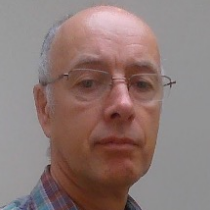
Rod Chalk gained his PhD in Liverpool in 1992 working on antimicrobials in innate immunity. He began using mass spectrometry for natural product drug discovery at Queens University in 1996. Since then he has worked in different roles for Oxford GlycoSciences, Comet AG and Lonza. In 2009 he joined Oxford University where he now runs the mass spectrometry facility which forms part of the Centre for Medicines Discovery, providing high throughput protein structural characterisation.
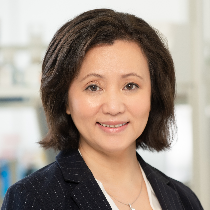
Yan brings more than 20 years of expertise in both mRNA display technology and biologic drug discovery in the oncology disease area. She was Biotherapeutics Discovery Head at Juno Therapeutics in Boston and Senior Vice President of Research at X-Body Biosciences which was acquired by Juno in 2015. Previously, she was an investigator and project leader in Oncology Biotherapeutics at Novartis Institutes for Biomedical Research. Earlier in her career, she was a scientist at Phylos and Adnexus playing instrumental roles in establishing the mRNA antibody and protein display technology platforms. Yan was a postdoctoral trainee in Immunology at Tufts Medical School and received her PhD in Immunology from National University of Singapore. She is the co-inventor of more than 20 patents in antibody technologies, biotherapeutics and cell therapy.
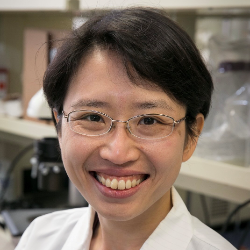
Dr. Yvonne Chen is a Professor of Microbiology, Immunology, and Molecular Genetics at UCLA. She is the co-director of the Tumor Immunology program in the Jonsson Comprehensive Cancer Center at UCLA, and a member researcher of the Parker Institute for Cancer Immunotherapy. The Chen Laboratory applies biomolecular engineering techniques to the development of novel mammalian-cell systems for clinical use, and Dr. Chen led the first investigator-sponsored clinical trial on CAR-T cell therapy at UCLA. The Chen Lab’s work has been recognized by the NIH Director’s Early Independence Award, the NSF CAREER Award, the Mark Foundation Emerging Leader Award, and the Cancer Research Institute Lloyd J. Old STAR Award, among others. Prior to joining UCLA in 2013, Yvonne was a Junior Fellow in the Harvard Society of Fellows. Yvonne received her B.S. in Chemical Engineering from Stanford University and her Ph.D. in Chemical Engineering from the California Institute of Technology.
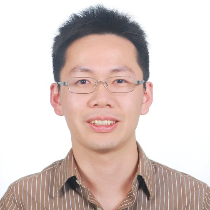
Alex Chen got his PhD from Purdue University by working with Prof. Ouyang and Cooks on many mass spectrometry projects from small to large biomoelcules. He moved to industry by taking an postdoc position at Thermo Fisher Scientific and worked on the development of CE-MS system for protein characterization. After that, he got an opportunity to join Biopharma by working at CMC department in Boehringer Ingelheim. Currently, he is working at VIR and trying to defeat infectious disease including COVID-19 with his expertise in analytical science and mas spectrometry.
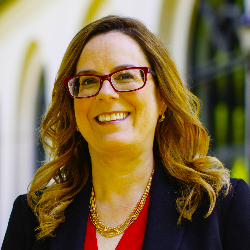
Jennifer’s passion lies in developing innovative medicines for applications in oncology, immunology, and regenerative medicine, within both academia and industry. She was recruited in 2005 as one of the founding faculty members in Stanford’s Bioengineering department, served as its Chair from 2017-2022, and is the Macovski Professor of Bioengineering and (by courtesy) Chemical Engineering. In addition to her faculty roles, she served as Senior Associate Vice Provost for Research at Stanford from 2023-2026 and is currently Vice President for SLAC National Accelerator Laboratory and for Strategic Initiatives at Stanford. A serial innovator and entrepreneur, she founded several companies including xCella Biosciences (acquired by Ligand (LGND), now OmniAb (OABI)), Combangio (acquired by Kala Pharmaceuticals), TwoStep Therapeutics, Threefold Therapeutics, and Photinia Biosciences. In 2020, Jennifer co-founded Red Tree Venture Capital, a west coast-centric, early-stage biased life sciences investment firm, and serves as Chief Scientific Advisor. She strives to drive impact through her board roles at OmniAb, Excellergy Therapeutics, Rondo Therapeutics, Kivu Bioscience, Biograph55, Ebvio, and Revel Pharmaceuticals. Dr. Cochran obtained her Ph.D. in Biological Chemistry from MIT and completed postdoctoral fellowships at MIT in Biological Engineering and at UPenn in Biophysics. She was inducted as a fellow to the American Institute for Medical and Biological Engineering (AIMBE) and the National Academy of Engineering, the latter with a citation for “contributions to biopharmaceutical protein discovery and development, biotechnology entrepreneurship, and leadership in academic bioengineering.
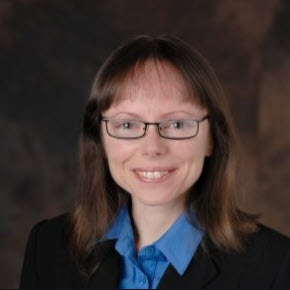
Dr. Alicja Copik is a biochemist specializing in innate immunity with emphasis on NK cell biology in the context of immunotherapy for treatment of cancer. Her laboratory has developed a method for NK cell expansion that is simple, safe, economical and effective, which can be applied in vitro or in vivo. This novel method is based on the use of PM21-particles derived from plasma membranes of cells engineered to stimulate NK cell expansion. This technology is clinically relevant and is now being translated for clinical studies for treatment of leukemia and other malignancies. Dr. Copik has diverse expertise from chemical engineering, medicinal organic chemistry, enzymology, biomolecular interactions, molecular and cell biology and she worked in academia, hospital and industrial settings.
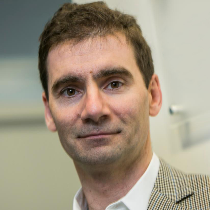
Matthew P. DeLisa is the William L. Lewis Professor of Engineering in the School of Chemical and Biomolecular Engineering at Cornell University and also the Director of the Cornell Institute of Biotechnology. His research focuses on understanding and controlling the molecular mechanisms underlying protein biogenesis -- folding and assembly, membrane translocation and post-translational modifications -- in the complex environment of a living cell. He received a B.S. in Chemical Engineering from the University of Connecticut in 1996; a Ph.D. in Chemical Engineering from the University of Maryland in 2001; and did postdoctoral work at the University of Texas-Austin, Department of Chemical Engineering. DeLisa joined the Department of Chemical and Biomolecular Engineering at Cornell University in 2003. DeLisa has received over a dozen honorific distinctions and prestigious awards for his accomplishments in research including an NSF CAREER Award, a NYSTAR Watson Young Investigator Award, a Beckman Foundation Young Investigator Award, an MIT Technology Review TR35 Award (Top 35 Young Innovators under the age of 35), an Office of Naval Research Young Investigator Award, a NYSTAR Distinguished Faculty Award, the Wiley-Blackwell Biotechnology and Bioengineering Wang Award, and the American Chemical Society BIOT Division Young Investigator Award. More recently, DeLisa was selected to the IDA/DARPA Defense Science Study Group in 2014 and was elected as a fellow of the American Institute for Medical and Biological Engineering in 2014, the American Academy of Microbiology in 2019, and the American Association for the Advancement of Science in 2019.
Raymond Deshaies, Ph.D., is Senior Vice President, Global Research. Prior to joining Amgen, Deshaies served as a professor at the California Institute of Technology (Caltech) and an executive officer in Caltech’s Division of Biology and Biological Engineering. He was also an investigator at the Howard Hughes Medical Institute. He has published over 150 papers on various subjects including discoveries of Sec61 translocon, cullin–RING ubiquitin ligases, and proteolysis-targeting chimeric molecules (Protacs). In addition to his academic work, Deshaies co-founded Proteolix in 2003. In 2011, he co-founded Cleave Biosciences.Deshaies holds a bachelor's degree in biochemistry from Cornell University and a Ph.D. in biochemistry from the University of California, Berkeley. He is also a member of the National Academy of Sciences, and American Academy of Arts and Sciences.

David Dornan, PhD, Chief Scientific Officer, joined Bolt Biotherapeutics, Inc. in 2017. He is working to harness the exciting technologies at Bolt to discover and develop therapeutics that may exploit myeloid cell biology to generate a robust anti-tumor immune response. Prior to Bolt, David led Oncology Research at Gilead and was working to build a group dedicated to identifying and developing anti-cancer therapeutics that could have utility in PD-1/PD-L1-refractory patients that encompassed immuno-oncology and cancer driver targeted therapies. Before that, he spent 10 years at Genentech serving in roles of increasing responsibility and played key roles in target discovery and validation, as well as translational research programs to determine the optimum patient population that would benefit from Genentech’s anti-cancer therapeutics across large and small molecule programs.
Shelley Force Aldred, Ph.D., is Co-Founder and CEO of Rondo Therapeutics. Prior to starting Rondo, Dr. Force Aldred was a member of TeneoBio’s founding team where she led preclinical development for the company’s CD3 T-cell engager platform which ultimately generated $1.5B in up-front payments through partnerships and an acquisition by Amgen. Early in her career, Dr. Force Aldred developed a passion for starting companies when she co-founded SwitchGear Genomics and later sold it to Active Motif. Dr. Force Aldred earned a Ph.D. in Genetics from Stanford where she continues to be involved as an advisor for Stanford’s SPARK translational medicine program and as a member of the Board of Governors for the Stanford Medicine Alumni Association.
Dr. Jane Gross is a biotech executive with 30 years of experience leading research and development teams from design, preclinical evaluation, and clinical development of therapeutics for the treatment of autoimmune, inflammatory diseases and cancer. Dr. Gross currently serves as Chief Scientific Officer, Senior Vice President, Research and Development of Aptevo Therapeutics Inc. In this role, Dr. Gross leads the discovery of novel protein therapeutics based on the ADAPTIRâ„¢ and ADAPTIR-FLEXâ„¢ bispecific and multi-specific platform technologies to enable development of drugs targeting the immune system to treat disease. She leads research efforts in molecular biology and protein engineering, immunology, protein and cell sciences, pharmacology and translational research. Prior to joining Aptevo, Dr. Gross served as Vice President, Applied Research and Non-Clinical Development at Emergent BioSolutions Inc. and Vice President, Immunology Research at ZymoGenetics, Inc. Dr. Gross holds a Ph.D. in Immunology from the University of California, Berkeley under Jim Allison and a Post-Doctoral Fellowship from the University of Washington in Immunology.
Xiaoyan received her Ph.D. degree in Analytical Chemistry from the Ohio State University in 2013. Her research focused on the mass spectrometry-based bottom-up proteomics, and its application in the mapping of histone modification crosstalk. After that, she joined the National High Magnetic Field Laboratory (MagLab) for the postdoctoral study. At the MagLab, she expanded her research to top-down MS/MS and epitope mapping by HDX-MS. In 2015, she joined Amgen as a Scientist in Process Development. Xiaoyan contributed significantly to multi-attribute method (MAM) development and qualification at Amgen and her work is critical in advancing MAM technology as a release and stability assay for QC implementation. Her current research interests are in the implementation of MAM in product and process characterization.

Dr. Sònia Guedan is an expert in gene and cell therapy for the treatment of cancer. She conducted her postdoctoral training at the University of Pennsylvania, in the laboratory that developed the first FDA-approved CAR-T cell therapy. She is currently leading a research program at IDIBAPS (Barcelona, Spain) to generate new CAR-T cell therapies for the treatment of solid tumors. Her group focuses on understanding the challenges that CAR-T cells face in solid tumors and developing novel strategies to overcome them.
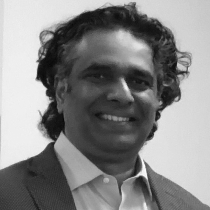
Harsha Gunawardena obtained his Ph.D. from Purdue University where his thesis research was carried out in advanced multi-source ion traps to facilitate the manipulation, reactivity (ion parking) of gaseous ions. He was a post-doctoral fellow at the Lineberger comprehensive cancer center, at The University of North Carolina at Chapel Hill, where his research focused on developing and refining quantitative platforms to support investigators in large-scale proteomics studies in the basic sciences to clinical research. He was a co-investigator for the National Cancer Institute’s Clinical Proteomics Tumor Analysis Consortium (CPTAC) and was a member of UNC ENCODE consortium. He has over 100+ research publication and proceedings and 3 patents. He leads the proteomics group at Janssen R&D to support cell engineering.
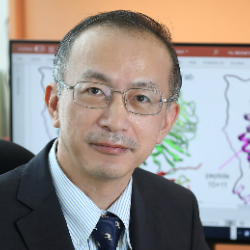
Dr. Ho’s research focuses on the basic and translational biology of glypicans, including GPC1, GPC2, and GPC3, as new targets in cancer. His team has developed mammalian cell display technology and constructed shark VNAR and camel VHH single-domain antibody phage display libraries, advancing antibody engineering and drug discovery. Immune therapeutics created in his laboratory, including CAR T cells, are progressing toward multiple clinical trials for liver cancer, pediatric cancers, mesothelioma, and other malignancies. Dr. Ho earned his Ph.D. from the University of Illinois at Urbana–Champaign and completed postdoctoral training with Dr. Ira Pastan at the National Cancer Institute (NCI), National Institutes of Health (NIH). He became a tenure-track Investigator at NCI in 2008 and a Senior Investigator with tenure in 2015. He currently serves as Deputy Chief of the Laboratory of Molecular Biology and Director of the Antibody Engineering Program at NCI. Dr. Ho is the founding Editor-in-Chief of Antibody Therapeutics and serves on the boards of the Antibody Society, the Chinese Antibody Society, and the Foundation for Advanced Education in the Sciences. His honors include the APAO Scientific Achievement Award, the Dr. Francisco S. Sy Award for Mentorship Excellence at HHS, election as a Fellow of the American Institute for Medical and Biological Engineering (AIMBE) in 2023, and the Asian American Engineer of the Year Award in 2024.
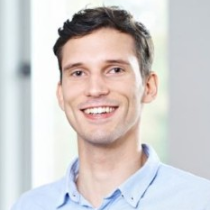
Vykintas is a Co-founder and Chief Scientific Officer at Biomatter Designs - a company focusing on generative protein design. Currently Vykintas is focusing on experimental data production and integration into computational pipelines at Biomatter Designs. He received his MSc in Bioinformatics at the University of Copenhagen where he was focusing on application of deep learning models for biological drug lead optimization.
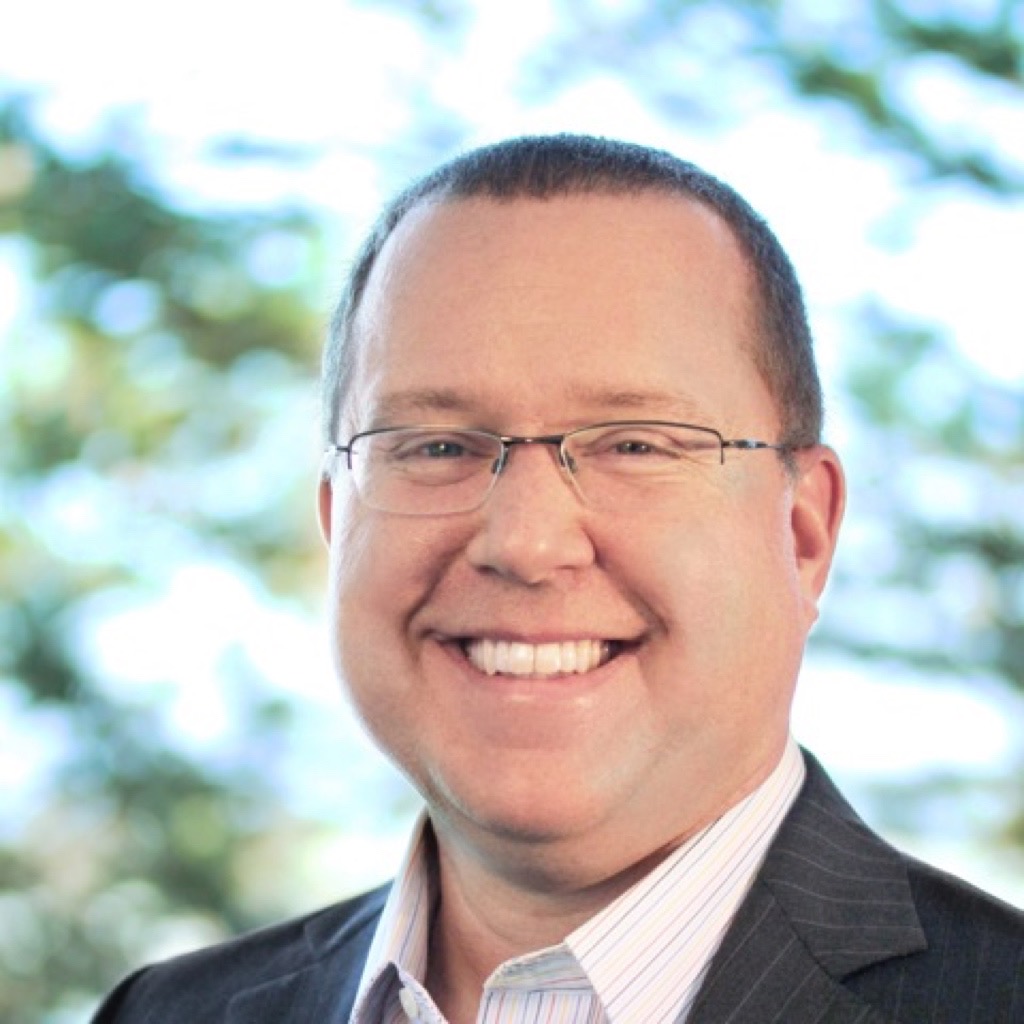
Elliott Jones is Senior Director, in charge of SCIEX’s CE/Biopharma applications team. The team focuses on developing novel workflows with customers to push the boundaries of analytical biopharmaceutical sciences. Previously, Elliott managed SCIEX’s global applications team. He has been with SCIEX for 21 years in different Scientific roles.
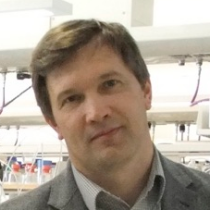
Igor A. Kaltashov received his undergraduate degree in physics at Moscow Institute of Physics and Technology in 1989, where he carried out his thesis work under the guidance of Prof. G.V. Karachevtsev on gas phase ion-molecular processes in sulfur hexafluoride/air mixtures. He received his Ph.D. degree from the University of Maryland Baltimore County in 1996, where he worked on applications of mass spectrometry to problems in biochemistry under the guidance of Prof. Catherine Fenselau. Following two years as a post-doctoral fellow at Johns Hopkins Medical School (with Prof. Robert J. Cotter), he became a Director of the newly created Mass Spectrometry Center at the University of Massachusetts-Amherst in 1997. He was appointed an Assistant Professor in Chemistry at UMass-Amherst in 2000 and promoted to Associate Professor with tenure in 2006, and to Full Professor in 2011. His teaching portfolio at UMass includes both undergraduate (Quantitative Chemical Analysis and Instrumental Analysis) and graduate courses (Biological Mass Spectrometry, Applied Analytical Chemistry and Spectroanalytical Chemistry). Prof. Kaltashov’s research program is focused on developing mass spectrometry-based experimental techniques to study structure, conformation, dynamics and interactions of biopolymers. His group actively collaborates with several biopharmaceutical companies, including Biogen, Pfizer, and Shire. Prof. Kaltashov co-authored over a hundred papers and book chapters and guest-edited a number of special issues for a variety of journals, most recently “Mass spectrometry-based methods to study macromolecular higher order structure and interactions†(Methods, Elsevier). He co-authored (with his long-time collaborator, Dr. Stephen J. Eyles) a monograph “Mass spectrometry in biophysics: Conformation and dynamics of Biomolecules,†whose second edition was published in 2012, and is currently working (together with two of his former PhD students, Prof. Guanbo Wang of Nanjing Normal University and Dr. Shunhai Wang of Regeneron Pharmaceuticals) on another monograph, “Mass spectrometry in the analysis of biopharmaceuticals: current state-of-the-art and emerging trends.â€
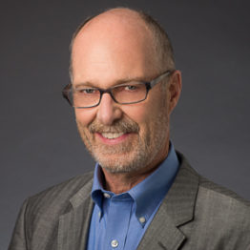
Bruce received his Ph.D. in biochemistry and pharmacology from Tufts University School of Medicine and his B.S. in Chemistry from Washington University in St Louis. He is a co-inventor on more than 35 U.S. patents and patent applications, and he has a co-authored more than 55 scientific articles. Bruce brings to IGM more than thirty-five years of research, development and management experience in large and small biotechnology companies, including his extensive experience in many phases of early stage drug discovery and development. This experience spans target selection and discovery, in vitro biochemistry, in vivo efficacy models and all other aspects of the pre-clinical development of antibodies and proteins as therapeutic agents.
My doctoral work focused on structural studies of amyloid-related proteins using X-ray crystallography that received the biochemistry distinguished dissertation award. In my doctoral research, I used pioneering micro X-ray crystallography along with a combination of techniques including the modification, design, expression, and purification of proteins/peptides, as well as structural and computational modeling. As a Nicholas Kurti Junior Research Fellow of Brasenose College in the laboratory of Professor Dame Carol V. Robinson at the University of Oxford, I pioneered novel ion mobility mass spectrometry approaches and methods to study membrane proteins and their interactions with lipid/drug molecules. Since starting my own group in 2014, we have continued to pioneer native mass spectrometry approaches to determine lipid binding thermodynamics and cooperativity, allostery within protein-protein, protein-lipid interactions, and heterogenous lipid binding events to membrane proteins.
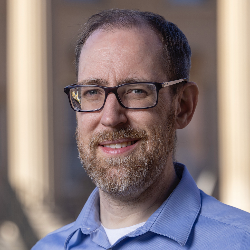
Dr. Lewis is a Professor of Pediatrics and Bioengineering at the University of California, San Diego. He received his BS in biochemistry at Brigham Young University, and his PhD at UC San Diego, where he focused on proteomics and developing novel approaches for analyzing biological big data using genome-scale systems biology modeling techniques. Dr. Lewis completed his postdoctoral training at the Wyss Institute at Harvard Medical School, where he worked on genome editing and the use of systems biology for the interpretation of genetic screens. Dr. Lewis' lab integrates all of his previous work by focusing heavily on the use of systems biology and genome editing techniques to map out and engineer the cell pathways controlling mammalian cell growth, protein synthesis, and protein glycosylation.
Linda leads the protein sciences group and is a project team leader at Pionyr Immunotherapeutics. Prior to Pionyr, she held senior research positions in protein sciences and antibody discovery at Bristol-Myers Squibb, Merck, Schering-Plough, and Organon where she contributed to biologics discovery efforts in metabolic diseases, autoimmune and inflammatory diseases, and immune-oncology. Linda received a Ph.D. in Immunology from the University of California, Berkeley.
Regina Lin is a Principal Scientist at Allogene's Solid Tumor Research group, where she leads the CAR T cell modifications effort aimed at enhancing potency and persistence. Prior to Allogene, Regina trained as a postdoctoral fellow at Pfizer's CAR T cell group and obtained her PhD from the Department of Immunology at Duke University.
Dr. McCarthy is Senior Director, Science and Standards in USP’s Global Biologics Department, where she leads development and maintenance of standards and tools to support quality of medicines and oversees the USP biologics laboratories in the US and India. Her team supports standards and tools across a diverse range of therapies, including vaccines, peptides, cell and gene therapy, monoclonal antibodies, and other protein therapeutics. Prior to joining USP, Diane worked for several small CROs that focused on the use of mass spectrometry for characterization of biologics, host cell proteins, and biomarkers. Dr. McCarthy earned her Ph.D. in Biochemistry from the University of Texas at Austin.

He Meng is a Senior Scientist of Analytical Development at Sanofi Biologics Development. He is responsible for the development, qualification and validation of physicochemical analytical methods using an aQbD approach to support the release and stability testing of biologics in preclinical and clinical development, including antibodies, enzyme replacement therapies and gene therapies. He also serves as an analytical team lead for an early stage program and contributes to the preparation of CTD analytical sections for a late stage program for global regulatory filing (EMA/FDA/PMDA).
Following graduation in Pharmaceutical Sciences from the University of Basel in Switzerland, Patrick pursued a Ph.D. in the Protein Analysis Group at the University of Copenhagen in Denmark. As part of his Ph.D. project, he probed the conformational dynamics of integral membrane proteins across different steady-state conditions by solution-phase hydrogen/deuterium exchange mass spectrometry. Patrick subsequently joined the late-phase Analytical Development & Characterization team at Novartis as a postdoctoral researcher in biological mass spectrometry. His current research activities encompass the development and testing of a widely applicable strategy for the monitoring and relative quantification of protein post-translational modifications by an automated, peptide mapping-based multi-attribute method.
Paul Neeson completed a PhD at the University of Melbourne (Pathology), before doing a post-doc in the Paterson lab (University of Pennsylvania) where he worked on B-cell lymphoma vaccines. He returned to Melbourne and established the human immunology translational lab (HITRL) in Cancer Immunology Research at the Peter MacCallum Cancer Centre. The Lab’s focus is on chimeric antigen receptor (CAR) T cells for solid tumors and human immuno-oncology. His lab has adopted ‘state of the art’ technologies to explore the immune context of human cancer. This information is being used to better understand immune escape, to stratify patients for immunotherapy combination treatments (including CART cells) for better outcomes in patients with solid tumors
Maggie Ostrowski is the Senior Marketing Manager at SCIEX in the CE and Biopharma Business Unit. Before the acquisition by SCIEX, Maggie was responsible for strategic marketing for the iCIEF-MS system at Intabio, Inc. She is passionate about developing customer-focused mass spectrometry solutions and enabling technologies for the characterization of biotherapeutics. Prior to her role at Intabio, Maggie held various roles in mass spectrometry product management and R&D at Agilent Technologies focused on the development and marketing of analytical technologies with an emphasis on microfluidics-based bioanalytical measurement and cell analysis. She has authored numerous scientist publications and holds several patents. She earned a PhD in Chemical Engineering from Stanford University and a BS in Bioengineering from UC Davis.
Matthew Ranaghan is a research scientist in the Center for the Development of Therapeutics (CDoT) at the Broad Institute of MIT and Harvard. His areas of expertise include molecular biology, protein purification, biochemistry, and biophysics. Ranaghan currently works on discovering therapeutic tools to modulate and on developing in vitro methods to monitor protein-protein and protein-nucleic acid interactions. Prior to joining the Broad Institute in May 2015, Ranaghan did his postdoctoral research in the laboratory of Daniel Oprian at Brandeis University, where he studied the calcium-dependent signal termination mechanism of rhodopsin, a visual G protein-coupled receptor. Ranaghan also collaborated with the laboratory of Christopher Miller (Brandeis) to study the structure-function relationship of proteins in the mitochondrial calcium uniporter complex. Ranaghan holds a Ph.D. in biochemistry from the laboratory of Robert Birge at the University of Connecticut, where he worked to enhance microbial rhodopsins for application in biophotonic (e.g., photovoltaics, 3D volumetric memories) and biomimetic (e.g., artificial retina) devices. Part of his thesis work was contributed to a patent that helped start LambdaVision, Inc., which seeks to develop protein-based prosthetics to treat visual disorders. He also holds a B.S. in chemistry from Roger Williams University.
Dr. Theo Roth, MD, PhD was the founding CSO and is a scientific co-founder of Arsenal Biosciences. He completed his undergraduate and masters work at Stanford University and the NIH in biomedical informatics and systems biology. During his MD-PhD at UCSF, he developed non-viral genome targeting, a new efficient method for large scale genetic engineering of primary human immune cells without the need for complex viral vectors. He further developed robust methods of pooled knock-in screening, enabling rapid discovery of synthetic sequences to re-wire T cell genomes. This work has led to pre-clinical development of novel cell therapies for both autoimmune disease and solid tumors. He is currently his residency in clinical pathology at Stanford University.

Casim Sarkar is an Associate Professor and Director of Graduate Studies in the Department of Biomedical Engineering and a Distinguished University Teaching Professor at the University of Minnesota. He received his BS in Chemical Engineering at the University of Texas at Austin and his PhD in Chemical Engineering at MIT. He then conducted postdoctoral research in Biochemistry at the University of Zurich. Dr. Sarkar started his faculty career at the University of Pennsylvania and, in 2013, moved to his present position at the University of Minnesota, where he is also affiliated with the Department of Chemical Engineering and Materials Science, the Institute for Engineering in Medicine, the BioTechnology Institute, the Stem Cell Institute, and the Masonic Cancer Center. His research interests lie in the area of molecular cell engineering, with efforts to understand and control cellular decision making and to engineer new biomolecular and cellular therapeutics. Dr. Sarkar’s honors include a Fannie & John Hertz Foundation Graduate Fellowship, an NIH NRSA Postdoctoral Fellowship, an NSF CAREER Award, an NIH MIRA Award, and a Horace T. Morse–University of Minnesota Alumni Association Award for Outstanding Contributions to Undergraduate Education.
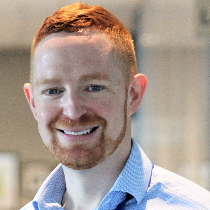
Neil Sheppard, DPhil is an Adjunct Associate Professor in the Department of Pathology & Laboratory Medicine at the University of Pennsylvania, where he heads the T Cell Engineering Lab (TCEL), at the Center for Cellular Immunotherapies (CCI). Educated in the UK at the Universities of Bristol and Oxford, Neil has almost 20 years' experience in the fields of immunotherapies and vaccines including time working in the UK, Australia, California and Pennsylvania. Neil's career has seen him chart a course from his postdoc into industry for over a dozen years at Big Pharma and Biotech companies where he led drug development teams and took assets into the clinic, before returning to academia in 2019. Currently, Neil's lab – the TCEL – works on enhancing the performance of CAR-T and NK therapies for clinical translation, and Neil also oversees aspects of clinical asset development strategy as part of Prof Carl June's team at CCI.
Yi Shi receives his Ph.D. from Baylor College of Medicine in 2011. Following a postdoc training at the Rockefeller University, he established his own lab at the University of Pittsburgh in 2017. His lab is interested in developing cutting-edge, mass-spectrometry-based biotechnologies. Recently, fascinated by the exciting biomedical potentials of nanobodies, his team has begun to develop methods and informatics to revolutionize the discovery and characterizations of nanobodies. In parallel, he and his colleagues are interested in applying nanobodies for advanced biomedical applications including disease diagnosis and treatment including but not limited to COVID-19.
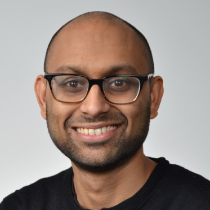
Raja is a co-founder of Asimov, a mammalian synthetic biology company that spun out of MIT in 2017. Asimov has developed an advanced mammalian cell engineering platform for therapeutics manufacturing and design. Raja got his PhD in Biological Engineering from MIT in 2016 and received his bachelor’s degree in Biomedical Engineering and Applied Mathematics from Johns Hopkins in 2011. Raja's doctoral work focused on computational modeling of biomolecules using all-atom simulations. Additionally, Raja has previous experience in development and commercial strategy for biologics and medical devices.
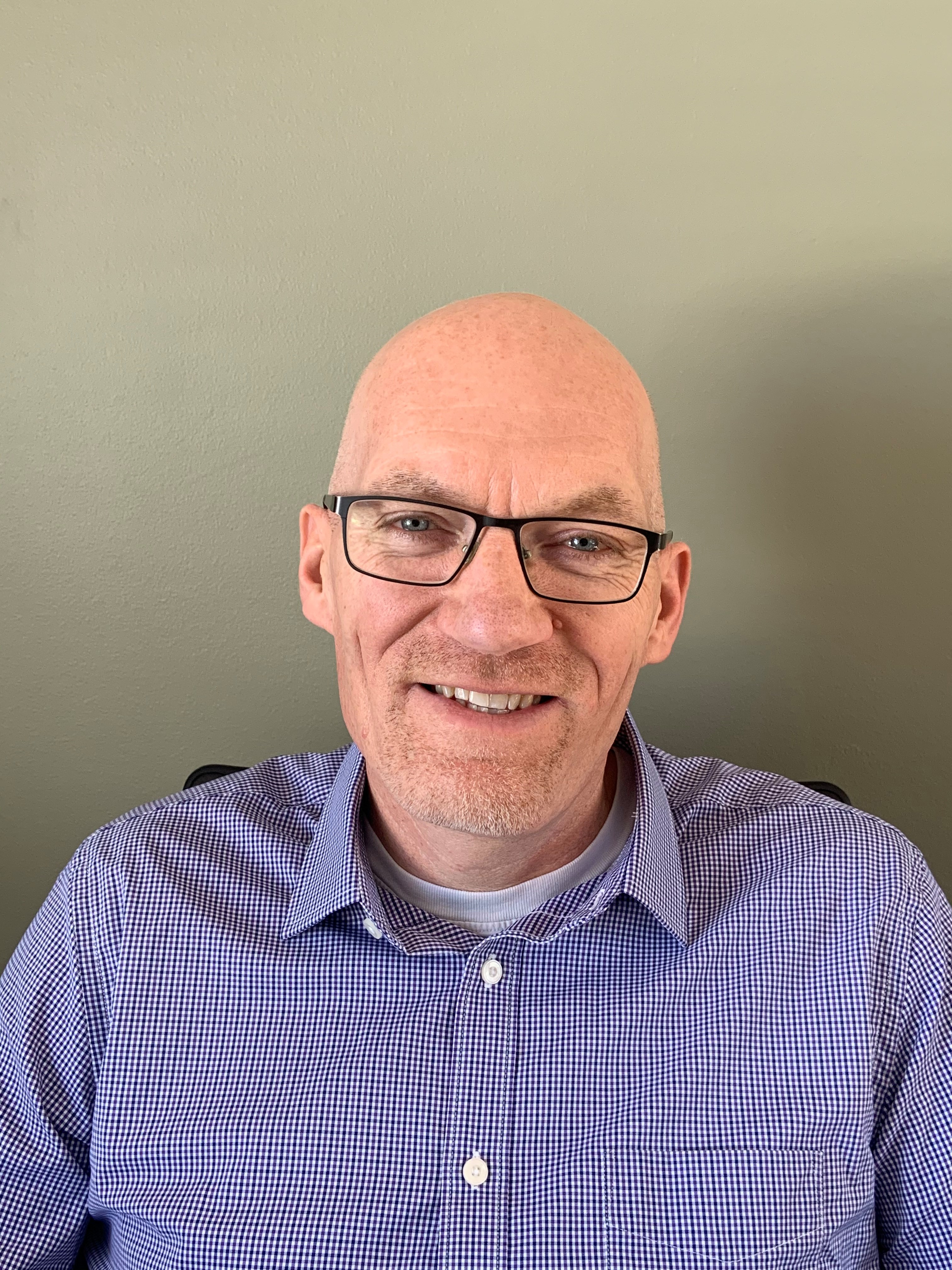
Sean Taylor has over sixteen years of research, scientific writing and collaborative experience with the life scientists, and over eleven years of experience in education and the life science community in the best practices for experimental design and data analysis in common research techniques and lab equipment. Sean holds a Ph.D of Biology and a Masters of Business Administration from McGill University, Montreal, PQ.
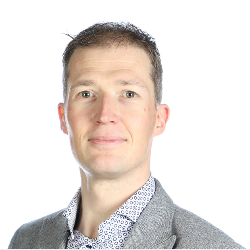
Pieter Fokko van Loo (first name Pieter Fokko) has 15+ years experience in the field of Hematology and Immunology. First he investigated how transcription factors regulated immune cell development and function. Later, his research focused on the role of B cell receptor signaling components in the onset of B cell malignancies and autoimmunity. At Merus he has contributed to several product candidates evaluated in the clinic, and as program director he leads Merus’ T cell engager platform.
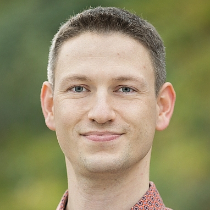
Martin Wagenknecht studied Biology with majors in Microbiology, Genetics, Virology, and Biochemistry at the Philipps-University Marburg, Germany. He did his diploma thesis on phytopathogenic fungi at the Max Planck Institute for Terrestrial Microbiology, Marburg, Germany, and received his Diploma in Biology in 2005. After an interim stay as visiting scientist at Aalborg University, Aalborg, Denmark, in 2006, Dr. Wagenknecht moved on to the University of Münster, Germany, for his graduation in the area of actinobacterial linear plasmids. After receiving his Dr. rer. nat. (Ph.D.) in 2010, he worked as a postdoctoral research associate in PolyModE, a project funded by the European Union, focusing on the development of enzymes for industrial applications. In 2015, Dr. Wagenknecht worked as Group Leader Industrial Biotechnology at Fraunhofer Institute for Machine Tools and Forming Technology (project group RMV), Augsburg, Germany. Since 2015, he has been active as assistant lecturer for the Wilhelm Büchner University of Applied Sciences, Darmstadt, Germany. Since 2016, Dr. Wagenknecht has held the position of Associate Director Molecular Biology and Expression Systems at Boehringer Ingelheim RCV GmbH & Co KG, Vienna, Austria. (Text originating from: https://link.springer.com/book/10.1007/978-3-030-36192-1).
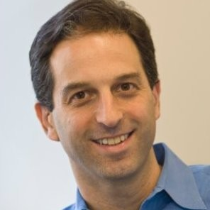
Ron Weiss is Professor in the Department of Biological Engineering and in the Department of Electrical Engineering and Computer Science at the Massachusetts Institute of Technology, and is the Director of the Synthetic Biology Center at MIT. Professor Weiss is one of the pioneers of synthetic biology. He has been engaged in synthetic biology research since 1996 when he was a graduate student at MIT and where he helped set up a wet-lab in the Electrical Engineering and Computer Science Department. After completion of his PhD, Weiss joined the faculty at Princeton University, and then returned to MIT in 2009 to take on a faculty position in the Department of Biological Engineering and the Department of Electrical Engineering and Computer Science. The research pursued by Weiss since those early days has placed him in a position of leadership in the field, as evidenced both by publications from his lab as well as a variety of awards and other forms of recognition. He pursued several aspects of synthetic biology, including synthesis of gene networks engineered to perform in vivo analog and digital logic computation. The Weiss lab also published seminal papers in synthetic biology focused on programming cell aggregates to perform coordinated tasks using engineered cell-cell communication with chemical diffusion mechanisms such as quorum sensing. Several of these manuscripts were featured in a recent Nature special collection of a select number of synthetic biology papers reflecting on the first 10 years of synthetic biology. While work in the Weiss lab began mostly with prokaryotes, during the last 5 years a majority of the research in the lab shifted to mammalian synthetic biology. The lab focuses both on foundational research, e.g., creating general methods to improve our ability to engineering biological systems, as well as pursuing specific health related applications where synthetic biology provides unique capabilities.http://groups.csail.mit.edu/synbio/
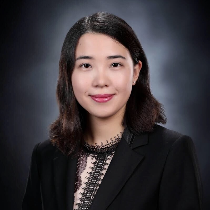
Yi Wen received her Ph.D. from Cornell University. She's currently a second-year postdoctoral researcher working on CAR-T engineering in the Center of Cellular Immunotherapies, University of Pennsylvania.
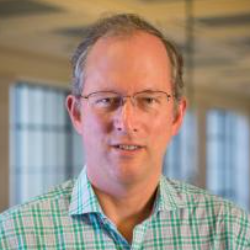
Prof. Dane Wittrup attended the University of New Mexico as an undergraduate, graduating Summa Cum Laude with a Bachelor's in Chemical Engineering in June 1984. Wittrup went on to attend the California Institute of Technology in Pasadena, where he worked with Prof. James Bailey on flow cytometry and segregated modeling of recombinant populations of Saccharomyces cerevisiae. After obtaining his PhD in Chemical Engineering with a minor in Biology in 1988, he spent a brief time working at Amgen before becoming an Assistant Professor of Chemical Engineering at the University of Illinois at Urbana-Champaign in 1989. He moved to the Massachusetts Institute of Technology in September of 1999, where he is now the C.P. Dubbs Professor of Chemical Engineering and Biological Engineering, in addition to working with the Koch Institute as the Associate Director for Engineering.
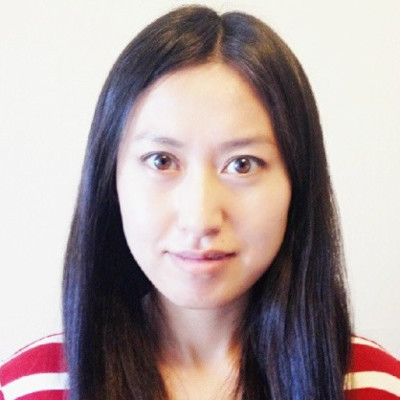
Currently responsible for cell biology product development and management at GenScript. Before joining GenScript, I had 10+ years’ research experience in disease mechanism and drug development in a wide range of fields including CAR-T cell therapy development for leukemia, and mechanism research of metabolism and reproductive endocrinology.